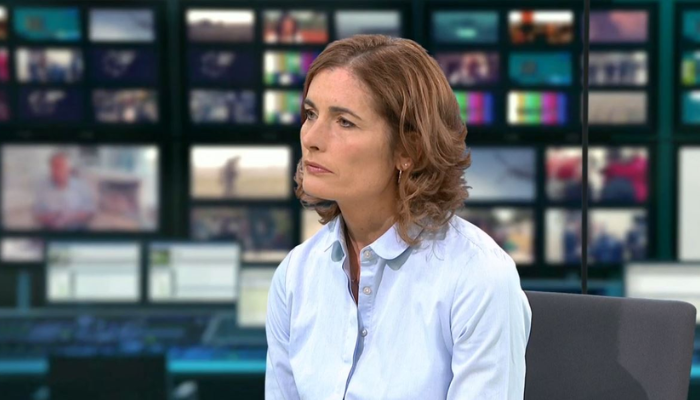

The search term romilly weeks illness has increasingly appeared across online forums, social media discussions, and search engines. Viewers who regularly watch political and international reporting have grown familiar with Romilly Weeks’ composed presence and insightful journalism. Naturally, any perceived absence or change in public appearance can prompt curiosity about personal well-being, especially for figures who appear regularly on television.
However, public interest often intersects with the important boundaries of privacy. While audiences may wish to understand whether a well-known correspondent is facing health challenges, the availability of confirmed information can be limited. This article explores the topic of romilly weeks illness from an evidence-based perspective, examining public information, the nature of speculation, the ethics of discussing journalists’ health, and how audiences can interpret such conversations responsibly.
Who Is Romilly Weeks? Career Background and Public Profile
Romilly Weeks is widely recognized as a seasoned political and international correspondent working for ITV News. Over the years, she has reported on major geopolitical developments, elections, royal events, and breaking news stories, earning a reputation for clarity, composure, and analytical depth. Her work often places her at the center of high-pressure reporting environments, which contributes to her visibility and the audience connection she has built.
Her journalistic career has involved coverage from Westminster politics to global diplomatic events, demonstrating versatility and professionalism. Viewers frequently associate Weeks with authoritative live reporting, which naturally creates a sense of familiarity similar to other television journalists. This public familiarity can lead to heightened concern whenever there is speculation about personal matters, including health.
From an SEO standpoint, the search phrase romilly weeks illness reflects this public interest. Yet understanding the context requires recognizing that journalists, despite their visibility, maintain personal lives separate from their professional roles. Public curiosity must therefore be balanced with respect for personal boundaries.
Moreover, Weeks’ consistent professionalism has contributed to her standing within broadcast journalism. Such reputations often amplify attention around any perceived change in routine appearances, reinforcing why the topic continues to attract online searches despite limited confirmed information.
The Origins of Searches About romilly weeks illness
Search interest surrounding romilly weeks illness appears to stem largely from observational speculation rather than official announcements. In many cases, viewers notice temporary absences from broadcasts, schedule changes, or shifts in reporting roles and attempt to interpret these patterns. In the digital era, such observations quickly evolve into searchable questions.
This phenomenon is not unique to Romilly Weeks. Public figures across media industries frequently become subjects of health speculation when routine visibility fluctuates. Algorithms and trending search suggestions can further amplify interest, creating the impression that a significant health story exists even when none has been confirmed.
Another contributing factor is the evolving relationship between audiences and journalists. Social media platforms allow viewers to interact with reporters directly, fostering familiarity that can blur professional boundaries. When viewers feel connected to a journalist’s on-screen persona, concern about potential illness can emerge as a form of empathy rather than mere curiosity.
At the same time, digital misinformation ecosystems can intensify speculation. Online discussion boards sometimes circulate unverified claims that are repeated without sources, encouraging additional searches for confirmation. This feedback loop can sustain the visibility of search terms like romilly weeks illness even in the absence of credible evidence.
Ultimately, the origins of this search trend illustrate broader patterns in media consumption: audiences observe, speculate, and seek answers online, while the availability of verified information may remain minimal.
Verified Information vs. Online Speculation
A critical aspect of discussing romilly weeks illness is distinguishing between confirmed facts and speculation. As of publicly available information, there has been no widely reported or officially confirmed statement indicating a specific illness affecting Romilly Weeks. Major news outlets have not published health-related reports about her, and no formal announcements appear within typical media disclosure channels.
This absence of verified reporting suggests that much of the conversation exists within the realm of conjecture. In media literacy terms, this highlights the importance of source credibility. Verified information typically emerges through reputable publications, direct statements, or documented interviews. Without these elements, claims should be treated cautiously.
Speculation can also arise from misinterpretation of normal professional dynamics. Journalists may rotate assignments, take annual leave, pursue long-form projects, or shift editorial focus. These routine career patterns can be mistaken for indicators of illness when viewed without context.
Furthermore, the speed at which online narratives spread can create perceived legitimacy through repetition. A claim appearing across multiple discussion platforms may seem credible despite lacking original verification. Recognizing this dynamic is essential for readers evaluating topics like romilly weeks illness.
In summary, current publicly available information does not substantiate specific health claims. The persistence of the search term reflects curiosity rather than confirmed reporting, underscoring the need for careful interpretation of online discussions.
Privacy, Ethics, and Public Figures’ Health Discussions
The conversation around romilly weeks illness also raises ethical considerations regarding privacy and public interest. Journalists occupy a unique space: they are visible professionals yet not typically subjects of entertainment-style personal coverage. Unlike actors or influencers who may share personal updates voluntarily, reporters often maintain strict boundaries between public work and private life.
Media ethics frameworks emphasize respect for individual privacy unless disclosure serves a clear public interest. Health conditions generally fall within personal information unless they directly affect professional duties in a way that audiences must understand. In most cases, journalists’ medical circumstances remain private matters.
Ethical discussions also involve audience responsibility. While curiosity is natural, amplifying unverified health speculation can contribute to misinformation and potential distress for individuals and families. Responsible media consumption includes recognizing when information is absent for legitimate reasons.
Another dimension involves workplace culture in journalism. News organizations increasingly acknowledge the importance of mental and physical well-being for reporters covering demanding stories. However, institutional support does not necessarily translate into public disclosure of individual health experiences.
Therefore, conversations about romilly weeks illness highlight broader ethical questions: How much do audiences need to know about journalists’ personal lives? Where should the line between public interest and privacy be drawn? These questions remain central to modern media culture.
Understanding Public Curiosity and Media Personalities
Public curiosity about media personalities is rooted in psychological and sociological factors. Television journalists often become familiar faces within households, creating a sense of parasocial interaction — a one-sided relationship in which viewers feel connected to someone they see regularly. This dynamic can naturally lead to concern when perceived changes occur.
The search for romilly weeks illness reflects this phenomenon. Viewers who value her reporting may simply wish to ensure she is well. Such curiosity can be interpreted as a form of audience empathy rather than intrusion, although the impact depends on how discussions are conducted.
The digital environment also encourages immediate information seeking. When questions arise, search engines provide an accessible path to answers. Even without confirmed information, the act of searching itself becomes part of collective curiosity patterns that shape trending topics.
Importantly, public curiosity can coexist with respect. Many audiences express interest while acknowledging privacy boundaries, demonstrating evolving awareness of ethical considerations. This balance represents a constructive approach to engaging with public figures.
In a broader sense, the topic illustrates how modern journalism operates within a culture of visibility. Reporters are storytellers but can simultaneously become subjects of public narratives. Understanding this dual role helps contextualize why topics like romilly weeks illness attract attention despite limited factual grounding.
Conclusion
The topic of romilly weeks illness demonstrates how digital curiosity, media visibility, and online speculation intersect. While search interest continues to grow, publicly verified information about any specific illness remains limited. Much of the conversation appears rooted in observational speculation rather than confirmed reporting.
Examining this topic offers valuable insights beyond the individual case. It highlights the importance of media literacy, the ethical dimensions of discussing personal health, and the psychological connection audiences form with familiar media figures. These broader lessons can guide responsible engagement with similar topics in the future.
Ultimately, curiosity about journalists reflects appreciation for their work and presence. However, balancing that curiosity with respect for privacy ensures that public discourse remains thoughtful, accurate, and humane. Until credible information emerges through appropriate channels, discussions of romilly weeks illness remain largely speculative and should be approached with care.
FAQs About romilly weeks illness
1. Is there confirmed information about romilly weeks illness?
Currently, no widely reported or officially confirmed information indicates a specific illness.
2. Why do people search for romilly weeks illness online?
Search interest often arises from viewer curiosity, perceived absences, or online discussions without confirmed sources.
3. Has Romilly Weeks publicly discussed health issues?
There are no prominent public statements widely reported regarding personal health matters.
4. Are online claims about romilly weeks illness reliable?
Many online claims lack verification. Readers should rely on reputable news sources for confirmation.
5. Could schedule changes explain speculation about illness?
Yes. Journalists frequently rotate assignments, take leave, or work on projects outside regular broadcasts.
6. Do journalists typically share personal health information publicly?
Most journalists maintain privacy regarding personal health unless they choose to disclose it.
7. What is parasocial interaction and how does it relate here?
Parasocial interaction refers to viewers feeling connected to media personalities, which can increase concern about their well-being.
8. How should audiences approach topics like romilly weeks illness?
With caution, media literacy, and respect for privacy, especially when information is unverified.
9. Does speculation about public figures’ health raise ethical concerns?
Yes. Discussing unconfirmed health information can impact privacy and contribute to misinformation.
10. Where can accurate updates be found if they exist?
Credible updates would typically appear through reputable news organizations or direct public statements.