
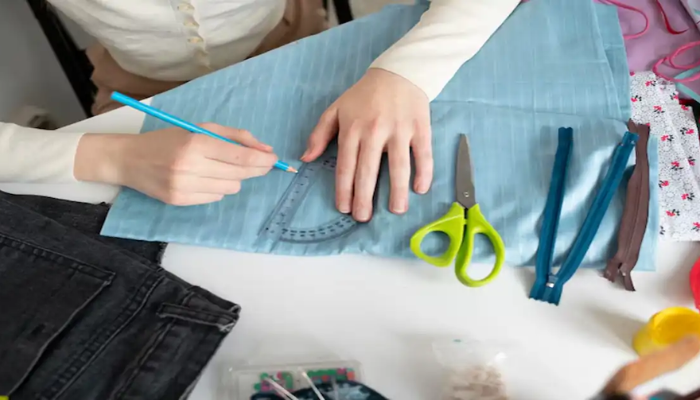

When it comes to sewing and garment construction, nahttypen — or seam types — form the foundation of every piece. Whether you’re creating a delicate silk blouse, a pair of rugged jeans, or an intricate quilt, the type of seam you choose determines not only the durability but also the appearance of your finished item. Understanding the different nahttypen helps you achieve professional-quality results and ensures your creations stand the test of time.
In this comprehensive guide, we’ll explore the most important nahttypen, their unique characteristics, and where to use them. From simple straight seams to complex French and flat-felled seams, you’ll learn how each contributes to function, strength, and aesthetic appeal. Let’s dive into the fascinating world of sewing seams and discover how mastering nahttypen can elevate your craftsmanship.
Understanding Nahttypen: The Foundation of Every Stitch
Every sewing project begins with a seam — the line where two or more pieces of fabric are joined. Nahttypen define not just how fabrics are connected, but also how they behave under tension, washing, and wear. The type of seam chosen can make the difference between a garment that feels flimsy and one that feels professionally finished.
In sewing terminology, nahttypen are categorized based on construction, purpose, and visibility. The main groups include open seams, enclosed seams, decorative seams, and specialized seams for specific materials. Each of these plays a crucial role depending on the garment’s design, fabric type, and the level of stress applied during use.
Furthermore, understanding nahttypen is essential for achieving both function and aesthetics. Seam choice affects flexibility, stretch, and drape. For example, a flat-felled seam is ideal for jeans due to its strength, while a French seam is perfect for delicate fabrics where you want to hide raw edges neatly. By mastering different nahttypen, you’ll ensure your sewing projects meet both creative and practical goals.
Common Nahttypen and Their Uses
The Plain Seam (Geradstichnaht)
The plain seam is the most basic and widely used type among all nahttypen. It’s created by placing two fabric pieces right sides together and sewing along the edge. This seam type is commonly used for everything from shirts and dresses to curtains and home décor. Despite its simplicity, the plain seam provides a clean and reliable join that can be easily pressed open for a polished finish.
Plain seams are particularly suitable for lightweight to medium-weight fabrics. They can also be reinforced with overlocking or zigzag stitching to prevent fraying. Because of their versatility, they form the backbone of garment construction and are often the starting point for learning more advanced seam types.
The French Seam (Französische Naht)
The French seam is a refined and elegant seam type ideal for fine fabrics like silk, chiffon, or organza. It encloses the raw edges within the seam, creating a clean, professional interior finish that doesn’t require overlocking. This seam is particularly valued in couture sewing and lingerie making, where every detail matters.
Not only does a French seam provide beauty, but it also enhances the durability of delicate fabrics by preventing unraveling. For those who aim to achieve a high-end look in their sewing projects, mastering the French seam is an absolute must. It’s one of the most classic nahttypen that embodies both craftsmanship and sophistication.
Strong and Durable Nahttypen for Heavy Fabrics
The Flat-Felled Seam (Kappnaht)
When it comes to strength and durability, few nahttypen can match the flat-felled seam. This type of seam is created by folding the raw edges inside the seam and topstitching them down for a double-stitched, ultra-strong finish. It’s a signature seam used in denim jeans, workwear, and outdoor apparel — garments that need to withstand frequent washing and physical strain.
The flat-felled seam also has a decorative element due to its visible stitching lines, adding a professional and rugged appearance. In addition to strength, it eliminates fraying and provides comfort by keeping raw edges tucked away — a detail often overlooked but highly appreciated in clothing design.
The Lapped Seam (Überlappte Naht)
The lapped seam is another robust option among nahttypen, commonly used for leather, canvas, and upholstery fabrics. Unlike most seams where edges are joined right sides together, the lapped seam overlaps one fabric edge over another and stitches them together. This overlap provides extra strength and a distinctive visual texture.
You’ll often find lapped seams in items like tents, bags, and leather garments, where reinforcement and weather resistance are key. When executed with precision, this seam not only ensures durability but also enhances the aesthetic appeal of functional products.
Decorative Nahttypen: Beauty Beyond Function
The Topstitched Seam
The topstitched seam serves a dual purpose — it reinforces the seam and adds decorative flair. It involves stitching on the right side of the fabric close to the seam line, using contrasting or matching thread depending on the desired look. This seam type is a favorite in both fashion and home décor because it provides structure and visual interest.
Topstitched seams are commonly used in jackets, jeans, skirts, and accessories. Besides aesthetics, the additional stitching also improves seam strength, especially in high-stress areas. When executed neatly, topstitching can transform a simple design into a high-end piece.
The Piped Seam
The piped seam is one of the most visually striking nahttypen. It involves inserting a narrow strip of fabric or corded piping between the seam layers. The result is a raised, defined line that outlines edges and panels. Piped seams are widely used in upholstery, cushions, and tailored garments to create dimension and detail.
In fashion design, piped seams are a hallmark of luxury craftsmanship, giving garments an elevated and bespoke feel. They can be used subtly with tone-on-tone colors or boldly with contrasting shades to create standout details.
Specialized Nahttypen for Stretch and Technical Fabrics
The Overlocked Seam (Overlocknaht)
With the rise of knitwear and activewear, overlocked seams have become increasingly popular. This seam type uses a serger machine to sew, trim, and finish the fabric edges simultaneously. It’s ideal for stretch fabrics because it allows elasticity without breaking the thread — an essential feature for sportswear and leggings.
Overlocked seams also provide a clean, professional appearance inside garments. They prevent fraying, reduce bulk, and maintain flexibility. For modern sewing enthusiasts working with jersey, lycra, or spandex, mastering the overlock seam is essential to achieving durable, comfortable results.
The Flatlock Seam (Flachnaht)
Another advanced option among nahttypen is the flatlock seam, commonly used in performance wear and swimwear. This seam lies completely flat against the skin, eliminating irritation and bulk. It’s achieved by overlapping fabric edges and sewing them together with a special flatlock stitch that joins and decorates simultaneously.
Flatlock seams combine function and aesthetics — they stretch with the fabric, resist friction, and create eye-catching contrast lines. This makes them ideal for modern, technical garments designed for both comfort and style.
Conclusion
Mastering different nahttypen is essential for any sewing enthusiast or professional. Each seam type serves a unique purpose — from basic construction and reinforcement to decoration and performance enhancement. By understanding when and how to use each seam, you can improve your sewing precision, extend the lifespan of your garments, and achieve results that look and feel professional.
Whether you’re crafting couture dresses, rugged outerwear, or stylish sportswear, choosing the right nahttypen ensures that your creations not only stand out visually but also deliver lasting quality. Seam mastery is, quite literally, the thread that binds creativity and craftsmanship together.
FAQs About Nahttypen
- What are nahttypen in sewing?
Nahttypen are different types of seams used to join pieces of fabric in sewing. - Why are there different nahttypen?
Each seam type serves a different purpose — some for strength, others for appearance or flexibility. - What is the most basic seam type?
The plain or straight seam is the most common and simplest type of all nahttypen. - Which seam is best for delicate fabrics?
The French seam works best for light or sheer materials like silk and chiffon. - What seam is strongest for jeans?
The flat-felled seam provides maximum strength and durability for denim garments. - Can decorative seams be functional too?
Yes, decorative seams like topstitched or piped seams often reinforce garments while adding style. - What nahttypen are best for stretch fabrics?
Overlocked and flatlock seams are ideal because they allow elasticity without breaking. - Do I need special machines for certain seams?
Some seams, like overlock and flatlock, require a serger or coverstitch machine for best results. - Can I mix different nahttypen in one project?
Absolutely. Combining different seams enhances both the structure and design of your project. - How can I make my seams look more professional?
Use the correct seam type for your fabric, press your seams carefully, and finish raw edges neatly.