
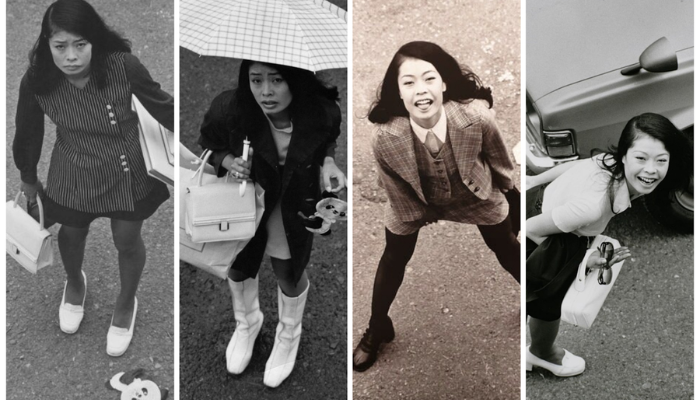

Masahisa Fukase stands as one of the most emotionally intense and conceptually daring photographers in the history of Japanese art. Known for his haunting imagery, deeply personal themes, and radical approach to photographic storytelling, Fukase transformed everyday moments into profound visual meditations on love, loss, identity, and isolation. His work does not merely document reality—it confronts it, blurring the boundaries between autobiography and art.
In the world of post-war Japanese photography, Masahisa Fukase carved out a unique and unforgettable voice. While many photographers focused on social change or urban transformation, Fukase turned the camera inward, using it as a mirror of his own psyche. This article explores his life, artistic philosophy, iconic works, influence on contemporary photography, and enduring legacy, offering a comprehensive and SEO-optimized deep dive into the enigmatic world of Masahisa Fukase.
Early Life and Artistic Foundations of Masahisa Fukase
Masahisa Fukase was born in 1934 in Hokkaido, Japan, into a family that owned a successful photography studio. From a young age, he was surrounded by cameras, film, and darkrooms, which naturally influenced his creative development. Despite this early exposure, Fukase initially struggled to find his own artistic identity, feeling the weight of tradition and expectation pressing heavily upon him.
After studying photography in Tokyo, Masahisa Fukase became immersed in the avant-garde art scene of post-war Japan. This era was marked by experimentation, rebellion, and a desire to break free from conventional aesthetics. Fukase absorbed these influences and began to develop a style that rejected objective realism in favor of emotional truth. His early work already hinted at the introspective and sometimes unsettling themes that would later define his career.
Fukase’s artistic foundations were deeply rooted in personal experience rather than political ideology. While many of his contemporaries used photography to comment on society, Fukase focused on the fragile dynamics of relationships and the instability of human emotion. This inward-looking approach would become a defining characteristic of Masahisa Fukase’s photographic journey.
The Emotional Core of Masahisa Fukase’s Photography
At the heart of Masahisa Fukase’s work lies an intense emotional vulnerability rarely seen in photography. His images often feel raw, unfiltered, and deeply intimate, as though the viewer has been granted access to the artist’s inner world. Rather than seeking beauty in perfection, Fukase found meaning in imperfection, melancholy, and psychological tension.
One of the most striking aspects of Masahisa Fukase’s photography is his use of repetition and symbolism. He frequently revisited the same subjects—his wife, himself, animals, and empty landscapes—creating visual narratives that evolved over time. These recurring motifs allowed Fukase to explore themes of obsession, dependency, and emotional fragmentation with remarkable depth.
Fukase’s willingness to expose his personal struggles set him apart from traditional documentary photographers. His camera became a confessional tool, capturing moments of joy, despair, love, and alienation. This emotional honesty is precisely what makes Masahisa Fukase’s work so powerful and enduring, resonating with viewers long after the images are first seen.
Iconic Works That Defined Masahisa Fukase’s Career
Among the most celebrated works by Masahisa Fukase is his legendary photographic series Ravens. This body of work, created during a period of profound personal turmoil, features stark black-and-white images of ravens against bleak landscapes. The ravens serve as potent symbols of loneliness, grief, and existential dread, reflecting Fukase’s emotional state at the time.
Ravens is widely regarded as a masterpiece of modern photography, not because of technical complexity, but because of its emotional resonance. Each image feels like a fragment of a larger psychological narrative, inviting viewers to confront themes of isolation and despair. This series cemented Masahisa Fukase’s reputation as a visionary artist willing to confront darkness head-on.
Another significant aspect of Fukase’s career was his exploration of self-portraiture and intimate relationships. His photographs of his wife are both tender and unsettling, revealing the complexities of love and emotional dependency. Through these works, Masahisa Fukase challenged the traditional boundaries between photographer and subject, turning personal relationships into powerful artistic statements.
Masahisa Fukase’s Influence on Contemporary Photography
The influence of Masahisa Fukase extends far beyond Japan, shaping the work of contemporary photographers around the world. His deeply personal approach paved the way for a more introspective and emotionally driven form of photography. Today, many artists cite Fukase as an inspiration for their willingness to explore vulnerability and psychological depth in their work.
Fukase’s emphasis on narrative over perfection has had a lasting impact on visual storytelling. By prioritizing emotional truth rather than technical polish, Masahisa Fukase demonstrated that photography could function as a form of personal expression akin to poetry or memoir. This philosophy resonates strongly in modern photographic practices, especially within fine art and conceptual photography.
In an age dominated by digital perfection and curated imagery, Fukase’s work feels more relevant than ever. His photographs remind audiences that art does not need to be flawless to be meaningful. The legacy of Masahisa Fukase continues to inspire photographers to embrace authenticity, imperfection, and emotional honesty in their creative pursuits.
The Tragic Later Years and Enduring Legacy of Masahisa Fukase
The later years of Masahisa Fukase’s life were marked by tragedy and isolation. In the early 1990s, he suffered a severe accident that left him with lasting physical and cognitive impairments. This event effectively ended his ability to work as a photographer, silencing one of the most distinctive voices in the medium.
Despite his withdrawal from the public eye, interest in Masahisa Fukase’s work only grew over time. Retrospectives and renewed critical attention helped reintroduce his photography to new generations. Scholars and artists alike began to recognize the profound emotional and artistic significance of his contributions.
Today, Masahisa Fukase is remembered not only for his haunting imagery but also for his fearless exploration of the human condition. His work stands as a testament to the power of photography as a deeply personal art form. Through his images, Fukase continues to speak—quietly, painfully, and beautifully—about love, loss, and the fragile nature of existence.
Conclusion
Masahisa Fukase was more than a photographer; he was a visual poet who transformed personal pain into universal expression. His work challenged conventions, blurred boundaries, and redefined what photography could achieve emotionally and conceptually. From his early influences to his iconic series and lasting legacy, Fukase’s journey remains one of the most compelling stories in modern art.
By embracing vulnerability and confronting darkness without compromise, Masahisa Fukase created a body of work that continues to resonate across cultures and generations. His photographs are not easy to view, but they are impossible to forget—an enduring reminder that art’s greatest power often lies in its ability to reveal uncomfortable truths.
Frequently Asked Questions (FAQs)
1. Who was Masahisa Fukase?
Masahisa Fukase was a Japanese photographer known for his emotionally intense and autobiographical photographic work.
2. What is Masahisa Fukase best known for?
He is best known for his iconic series Ravens, which explores themes of loneliness and despair.
3. What themes define Masahisa Fukase’s photography?
His work often focuses on love, loss, isolation, identity, and emotional vulnerability.
4. Why is Masahisa Fukase considered influential?
He influenced photography by prioritizing emotional truth and personal narrative over traditional documentation.
5. Was Masahisa Fukase part of a specific art movement?
While associated with post-war Japanese avant-garde photography, his work was highly individualistic.
6. Did Masahisa Fukase focus on self-portraiture?
Yes, self-portraiture and intimate relationships were central themes in his photographic practice.
7. What happened in Masahisa Fukase’s later life?
He suffered a serious accident that ended his photographic career and led to years of isolation.
8. Why is Ravens considered a masterpiece?
The series is praised for its emotional depth, symbolism, and raw portrayal of inner turmoil.
9. How did Masahisa Fukase influence modern photographers?
He inspired artists to embrace vulnerability, imperfection, and emotional storytelling.
10. Why does Masahisa Fukase’s work remain relevant today?
His focus on authenticity and emotional honesty resonates strongly in today’s visually saturated world.