
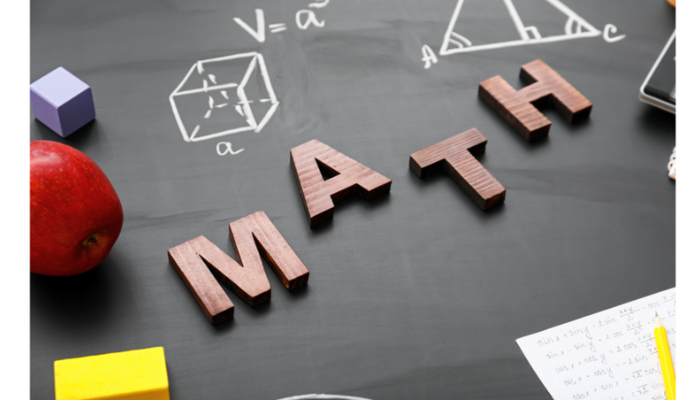

Mathematics is often seen as rigid, rule-based, and sometimes intimidating. However, a growing concept known as magma maths is changing the way learners and educators view mathematical thinking. Instead of treating math as a static set of formulas, magma maths represents a dynamic and evolving approach to understanding numbers, patterns, and relationships. Much like molten magma beneath the Earth’s surface, this approach emphasizes fluid thinking, creativity, and adaptability in solving mathematical problems.
In modern education, traditional methods of teaching math are being re-evaluated to help students develop deeper conceptual understanding rather than simply memorizing formulas. Magma maths embodies this shift by encouraging exploration, experimentation, and multiple solution paths. By viewing mathematics as an evolving system of ideas, students can build stronger problem-solving skills and gain confidence in tackling complex challenges.
This article explores the meaning, principles, benefits, and real-world applications of magma maths. Whether you are a student, educator, or math enthusiast, understanding this concept can transform the way you approach mathematical learning and problem solving.
Understanding the Concept of Magma Maths
The term magma maths symbolizes a flexible and evolving way of approaching mathematical ideas. Just as magma flows beneath the Earth’s crust, mathematical thinking can also flow and change as new patterns, theories, and discoveries emerge. Instead of focusing solely on memorizing procedures, magma maths encourages learners to understand why mathematical concepts work and how they connect with one another.
In many classrooms, students are taught to follow strict formulas or algorithms. While these techniques are useful, they can sometimes limit deeper understanding. Magma maths promotes curiosity and exploration by allowing students to experiment with different strategies to solve problems. This approach makes mathematics feel less restrictive and more like a creative process.
Another important aspect of magma maths is its emphasis on conceptual thinking. Students are encouraged to analyze patterns, ask questions, and discover relationships between numbers. By focusing on reasoning rather than repetition, learners develop stronger mathematical intuition.
Furthermore, magma maths aligns well with modern educational philosophies that emphasize critical thinking and creativity. Instead of viewing mistakes as failures, this approach treats them as opportunities to refine understanding and discover new insights.
The Core Principles Behind Magma Maths
At the heart of magma maths are several core principles that shape how mathematical concepts are taught and understood. These principles aim to create a more engaging and meaningful learning experience for students.
The first principle is conceptual understanding. Rather than memorizing formulas without context, students explore the reasoning behind mathematical rules. For example, instead of simply learning the formula for area, students might investigate how shapes can be broken into smaller parts to understand how the formula develops.
Another key principle is flexible problem solving. Magma maths encourages learners to find multiple ways to reach the same answer. This helps students realize that mathematics is not always about a single rigid method but about logical reasoning and creative thinking.
Collaboration is also an essential element. Students are often encouraged to discuss ideas, compare strategies, and explain their reasoning to others. These discussions help deepen understanding and expose learners to different perspectives.
Finally, magma maths values continuous discovery. Mathematics is treated as an evolving field rather than a finished body of knowledge. This mindset encourages curiosity and lifelong learning.
Benefits of Magma Maths for Students
Adopting the principles of magma maths can bring numerous benefits to students at all levels of education. One of the most significant advantages is improved problem-solving ability. Because students learn to explore multiple strategies, they become more adaptable when faced with unfamiliar problems.
Another benefit is increased confidence in mathematics. Many learners struggle with math anxiety due to rigid teaching methods that focus on right or wrong answers. Magma maths reduces this pressure by emphasizing understanding and exploration rather than perfection. Students learn that mistakes are part of the learning process.
Magma maths also strengthens critical thinking skills. When students analyze patterns and relationships, they develop the ability to evaluate information logically. These skills are not only useful in mathematics but also in science, technology, and everyday decision-making.
Additionally, this approach encourages deeper engagement with the subject. Instead of passively listening to lectures, students actively participate in discussions, experiments, and problem-solving activities. This active involvement helps make mathematics more enjoyable and memorable.
How Magma Maths Transforms Teaching Methods
The rise of magma maths is influencing how educators design lessons and interact with students in the classroom. Traditional teaching often focuses on lectures and repetitive exercises, but magma maths encourages more interactive learning experiences.
Teachers who adopt this approach often use open-ended questions that allow students to think creatively. Instead of asking for a single correct answer, they might ask students to explain how they reached their conclusions. This helps reveal the reasoning process behind each solution.
Visual tools and hands-on activities are also commonly used in magma maths instruction. Diagrams, models, and real-life examples help students visualize abstract concepts. By connecting mathematical ideas to practical situations, teachers make the subject more relatable.
Another transformation involves the role of the teacher. Instead of acting solely as a source of information, educators become facilitators who guide students through the discovery process. This shift encourages independence and curiosity among learners.
Technology also plays a role in supporting magma maths. Interactive software, digital simulations, and educational apps allow students to experiment with mathematical concepts in dynamic ways.
Real-World Applications of Magma Maths
One of the most powerful aspects of magma maths is its connection to real-world problem solving. Mathematics is not limited to classrooms; it plays a crucial role in fields such as engineering, technology, economics, and data science.
In engineering, for example, professionals must analyze complex systems and adapt solutions to changing conditions. The flexible thinking promoted by magma maths prepares students for these types of challenges by encouraging them to explore multiple approaches.
Data analysis is another area where magma maths principles are valuable. Modern industries rely heavily on interpreting large amounts of data. Individuals who can recognize patterns and think logically are better equipped to make informed decisions.
Magma maths also supports innovation in technology. Programmers and software developers often need to break problems into smaller logical steps, a process closely related to mathematical reasoning.
Even in everyday life, magma maths skills can be helpful. Budgeting, planning projects, and evaluating risks all involve mathematical thinking. By learning to approach problems creatively, individuals can make smarter decisions in many aspects of life.
Conclusion
The concept of magma maths represents a powerful shift in how mathematics is taught and understood. By emphasizing flexibility, creativity, and conceptual understanding, this approach transforms mathematics from a rigid subject into a dynamic and engaging field of exploration.
Students who learn through magma maths develop stronger problem-solving skills, greater confidence, and deeper critical thinking abilities. At the same time, educators benefit from teaching methods that encourage collaboration, curiosity, and discovery.
As education continues to evolve in the modern world, approaches like magma maths will likely play an increasingly important role. By embracing the fluid nature of mathematical thinking, learners can unlock new possibilities and develop skills that extend far beyond the classroom.
Frequently Asked Questions (FAQs)
1. What is magma maths?
Magma maths is an approach to learning mathematics that emphasizes flexible thinking, conceptual understanding, and creative problem solving.
2. Why is magma maths important?
It helps students develop deeper understanding of mathematical concepts rather than simply memorizing formulas.
3. How is magma maths different from traditional math teaching?
Traditional methods often focus on fixed procedures, while magma maths encourages exploration, multiple solution methods, and critical thinking.
4. Who can benefit from magma maths?
Students, teachers, and anyone interested in improving their mathematical reasoning skills can benefit from this approach.
5. Is magma maths suitable for all grade levels?
Yes, the principles of magma maths can be adapted for learners from elementary school to advanced education.
6. Does magma maths make math easier to understand?
Yes, because it focuses on understanding concepts rather than memorization, it can make mathematics more intuitive.
7. How can teachers implement magma maths in classrooms?
Teachers can use open-ended problems, encourage discussions, and allow students to explore multiple strategies for solving questions.
8. Can magma maths improve problem-solving skills?
Yes, by encouraging flexible thinking and analysis, magma maths strengthens problem-solving abilities.
9. Is technology used in magma maths learning?
Yes, digital tools, interactive software, and simulations can support the exploration of mathematical concepts.
10. How can students practice magma maths at home?
Students can solve puzzles, explore real-world math problems, and experiment with different strategies to deepen their understanding of mathematics.