
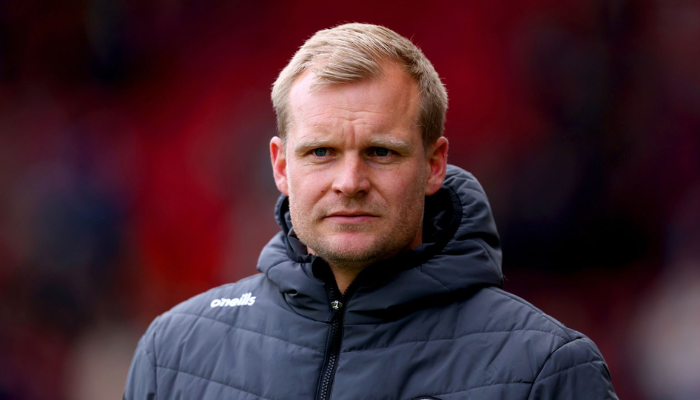

In modern football, tactical intelligence and progressive coaching styles are becoming more valuable than ever. One name that has been gaining significant attention in recent years is Liam Manning. Known for his analytical mindset, structured attacking philosophy, and commitment to developing young talent, Liam Manning has emerged as one of the most promising football managers in the English game.
From his early coaching days to leading competitive clubs with innovative tactical strategies, Liam Manning has built a reputation as a forward-thinking leader. His ability to blend data analysis with traditional coaching methods has helped him guide teams to improved performances and strong league results. Football fans and analysts increasingly recognize his influence on modern coaching methods.
This article explores Liam Manning’s career journey, coaching philosophy, tactical innovations, achievements, and the impact he continues to make in professional football.
Early Life and Football Foundations of Liam Manning
Before becoming a recognized football manager, Liam Manning developed a deep passion for the game during his early years. Born in England, Manning grew up immersed in football culture, which helped shape his understanding of the sport. Unlike many managers who build long professional playing careers before entering coaching, Manning transitioned into coaching relatively early.
His early experiences in grassroots football and youth development programs allowed him to observe how young players grow both technically and mentally. These experiences gave him a unique perspective on the importance of structured training environments and long-term player development strategies.
Manning’s dedication to learning the tactical aspects of football quickly became evident. He studied different coaching systems, analyzed game patterns, and spent significant time improving his understanding of modern football strategies. This commitment to education helped him build the foundation for a successful coaching career.
Through various youth coaching roles, Manning refined his leadership skills and began to develop the tactical identity that would later define his managerial approach. His ability to communicate clearly with players and implement organized playing systems made him stand out among other young coaches.
Liam Manning’s Coaching Journey and Career Progression
The coaching career of Liam Manning began with developmental roles where he focused on youth training and tactical preparation. Early in his career, he worked with academy-level teams, helping young players transition into competitive football environments.
A significant breakthrough in Manning’s career came when he joined the coaching staff at West Ham United F.C.. Working within a Premier League club environment provided him with valuable experience in elite football systems. Here, he gained insights into high-performance coaching and advanced tactical planning.
Manning later expanded his coaching profile through international experience, including a role with New York City FC. This opportunity allowed him to explore different football cultures and coaching philosophies, further shaping his strategic thinking.
One of the most important steps in his career came when he became manager of Milton Keynes Dons F.C.. At the club, Manning introduced an attractive possession-based style of play and emphasized structured attacking movement. His tactical approach helped the team compete effectively in English football leagues and improved the club’s reputation for playing progressive football.
Later, Manning continued his managerial journey with Oxford United F.C., where he continued implementing his football philosophy. His ability to adapt strategies based on player strengths and opposition tactics demonstrated his growth as a manager.
Tactical Philosophy and Coaching Style of Liam Manning
One of the key reasons behind the growing popularity of Liam Manning is his distinctive tactical philosophy. Manning emphasizes possession-based football combined with intelligent movement and structured positioning. His teams typically focus on controlling the game through passing, pressing, and tactical discipline.
A major component of Manning’s strategy is building play from the back. He encourages defenders and midfielders to maintain composure while circulating the ball, creating space and attacking opportunities. This method requires players to have strong technical abilities and tactical awareness.
Manning is also known for promoting positional flexibility. Players in his system often rotate positions to create unpredictability in attack and defensive balance during transitions. This modern tactical approach reflects the influence of contemporary coaching trends seen across top European leagues.
Another defining aspect of Manning’s coaching style is his focus on player development. He believes that improving individual skills directly enhances team performance. Young players often thrive under his guidance because he provides them with opportunities to grow within structured tactical frameworks.
His use of video analysis and performance data also demonstrates his commitment to modern football analytics. By combining traditional coaching with advanced metrics, Manning ensures that his teams remain competitive in today’s evolving football landscape.
Achievements and Influence in Professional Football
Although still relatively early in his managerial career, Liam Manning has already achieved several milestones that highlight his potential as a long-term football leader.
At Milton Keynes Dons F.C., Manning introduced a dynamic playing style that attracted praise from fans and football analysts. His focus on attacking football helped the club deliver entertaining performances while maintaining competitive league standings.
His leadership skills also earned him recognition among players and staff. Many players have credited Manning for helping them improve their tactical understanding and confidence on the pitch. This reputation as a developmental coach has made him an attractive managerial option for ambitious clubs.
During his time with Oxford United F.C., Manning continued to demonstrate tactical intelligence and adaptability. His ability to reorganize team structures, motivate players, and adjust strategies during matches shows his growing maturity as a manager.
Beyond individual clubs, Manning’s influence reflects broader changes within football coaching. Younger managers are increasingly adopting data-driven decision-making and tactical experimentation, and Manning represents this new generation of innovative leaders.
The Future Prospects of Liam Manning
The future appears very promising for Liam Manning. As football continues evolving with new technologies, training techniques, and tactical developments, managers who embrace innovation will remain highly valuable.
Manning’s willingness to learn and adapt suggests that he could eventually manage at higher levels of the sport. His experience in different coaching environments has prepared him for more demanding challenges, including potential roles in top-tier leagues.
Football analysts often view Manning as part of the new generation of English coaches who are redefining the country’s tactical identity. By emphasizing technical skill, structured play, and intelligent pressing systems, he represents a shift toward more modern football philosophies.
If he continues to build successful teams and develop talented players, Manning could become one of the most influential managers in English football. His leadership style, strategic thinking, and commitment to innovation position him as a manager to watch in the coming years.
Conclusion
The story of Liam Manning illustrates how dedication, tactical knowledge, and innovative thinking can shape a successful coaching career. From grassroots football to professional management roles, Manning has steadily built a reputation as a forward-thinking football strategist.
His emphasis on possession-based football, player development, and analytical preparation sets him apart from many traditional managers. By blending modern analytics with strong leadership qualities, he has helped multiple clubs improve their performance and playing style.
As his career continues to progress, Liam Manning’s influence on football coaching is likely to grow even further. With his passion for the game and commitment to innovation, he represents the future of modern football management.
Frequently Asked Questions (FAQs)
1. Who is Liam Manning?
Liam Manning is an English professional football manager known for his modern tactical approach and focus on player development.
2. What teams has Liam Manning managed?
He has managed clubs including Milton Keynes Dons F.C. and Oxford United F.C..
3. What is Liam Manning’s coaching philosophy?
His philosophy emphasizes possession-based football, structured attacking play, and strong tactical discipline.
4. Did Liam Manning have a professional playing career?
Unlike many managers, Manning moved into coaching early and focused more on developing his tactical and analytical expertise.
5. Where did Liam Manning begin his coaching career?
He started coaching in youth football and later worked with academies and professional club systems.
6. What is Liam Manning known for in football?
He is known for modern tactical systems, player development, and data-driven coaching strategies.
7. Has Liam Manning worked internationally?
Yes, he gained international coaching experience with New York City FC.
8. Why is Liam Manning considered a modern football coach?
His use of analytics, structured pressing systems, and positional play aligns with modern coaching trends.
9. What are Liam Manning’s strengths as a manager?
His strengths include tactical planning, leadership, player development, and adaptability during matches.
10. What does the future hold for Liam Manning?
Many football experts believe he could eventually manage top clubs if his career trajectory continues upward.