
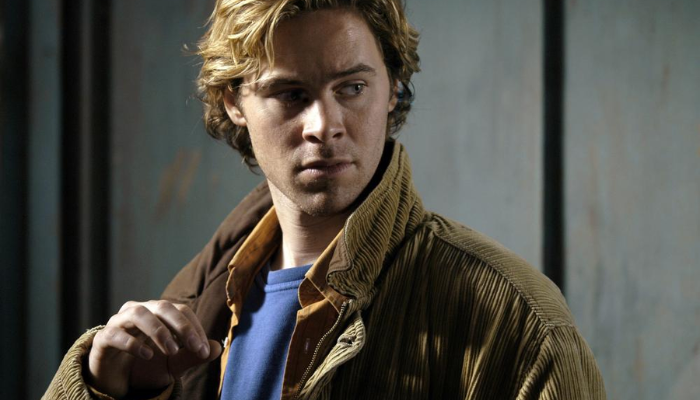

Jordan Frieda has always been more than just a name — his life story weaves together heritage, ambition, reinvention, and subtle influence. Born into a family at the crossroads of artistry and enterprise, Frieda could easily have followed in his parents’ footsteps and remained in the limelight. Instead, he charted a path that defies simple labels: actor turned restaurateur, public figure turned discreet tastemaker. In this deep dive, we explore how “Jordan Frieda” became a brand — not of celebrity glitz, but of craftsmanship, authenticity, and quiet success.
In a world that often equates fame with noise, Frieda’s journey stands out for its understated evolution. His story is not about headline-grabbing scandals or constant media presence, but about reinvention — a lesson in how to shape a meaningful legacy on your own terms.
Early Life & Family Heritage
Jordan Frieda was born on June 17, 1977, into a family steeped in creative energy and entrepreneurial spirit. His mother is the celebrated Scottish singer and actress Lulu, whose musical talent and public persona left a profound mark on British pop culture. His father, John Frieda, is the hairstyling visionary whose name became synonymous with hair-care innovation worldwide. Growing up at the crossroads of these two worlds — one artistic, one commercial — provided Jordan with a unique lens: he saw that creativity and business acumen need not be mutually exclusive.
Educated at elite institutions, Frieda attended Eton College, sharing the same alma mater as future luminaries. After Eton, he furthered his studies at Gonville and Caius College, Cambridge. This privileged academic background offered Jordan not only a strong intellectual foundation but also exposure to diverse influences and opportunities — setting the stage for his unconventional path forward.
Despite this elite upbringing, Jordan’s ambitions didn’t lean toward entitlement. Instead, the environment seems to have fostered in him a sense of independence: the freedom to choose his own direction, blending the creative heritage of his mother with the entrepreneurial acumen of his father.
Acting Career and Screen Presence
While many might have expected him to gravitate toward music or beauty, Jordan Frieda initially made his mark in acting. One of his earliest on-screen appearances was in the critically acclaimed mini-series Band of Brothers in 2001, albeit in a small role. The exposure provided invaluable insight into the demands and workings of the entertainment industry.
His most notable acting credit came with the television film Prince William in 2002, in which he portrayed the then-young prince — a casting decision that drew attention because of his own Eton background. He followed that with a role in the 2004 film Out of Season, starring alongside veteran actor Dennis Hopper.
Yet, even as these roles suggested the start of a promising acting trajectory, Frieda didn’t chase fame. His performances were modest — enough to build recognition, but not so public that they defined him. Over time, he seemed to view acting not as a lifelong vocation, but as one chapter in a larger personal narrative. In a world hungry for celebrity, his decision to step back reveals early signs of his inclination toward privacy and reinvention.
Shift to Hospitality: Founding Trullo and Padella
Around 2010, Jordan Frieda made a bold shift — from the camera to the kitchen. Together with his partner in hospitality, he co-founded Trullo, an Italian-inspired trattoria in Islington, London. This move was more than a career pivot; it was a leap of faith into a completely different industry, one grounded in craftsmanship, atmosphere, and sensory experience.
Trullo’s success spoke to Frieda’s distinct philosophy: simplicity, quality ingredients, and a welcoming ambience. Under his subtle but strategic leadership, the restaurant became a beloved neighborhood spot — a space where diners could enjoy honest, satisfying food without pretense. Critics and patrons alike praised Trullo for its approachable yet refined approach to Italian cuisine.
Not content to rest on this achievement, Frieda later extended his culinary footprint. He played a creative role in launching Padella — a pasta-focused concept loosely based on Trullo’s ethos but optimized for broader appeal: simpler menu, faster turnover, and a more casual atmosphere. This move demonstrated Frieda’s growing instincts not just as restaurateur, but as restaurateur-entrepreneur — someone keen on blending hospitality culture with scalable business models.
Through Trullo and Padella, Jordan redefined success. Where many aim for glitz, he sought substance. Where many chase spotlight, he crafted atmosphere. In doing so, he built a culinary legacy rooted in taste, experience, and cultural resonance.
Personal Life, Lifestyle, and Public Profile
Despite his pedigree and early exposure to celebrity culture, Jordan Frieda has largely steered clear of publicity. He is known to have at least one daughter, but otherwise keeps his private life discreet.
His lifestyle reflects his principles: intention over image, quality over show. His restaurants show a respect for simplicity and authenticity; his career choices reflect adaptability rather than opportunism. In an age of loud celebrities and fleeting fame, his discreet but steady presence stands out as a kind of soft power — influence built on trust, consistency, and quietly earned respect.
Estimates suggest his net worth is around £10 million, accumulated from his acting career and his successful ventures in hospitality. Far from ostentation, however, his wealth seems to serve a quiet purpose: facilitating a lifestyle of craftsmanship, stability, and creative autonomy, rather than flashy consumption.
Legacy and Influence: From Screen to Supper Club
Jordan Frieda’s journey is a testament to the power of reinvention. He did not allow early exposure — whether as the son of famous parents or as a promising actor — to define his limits. Instead, he used his background as a foundation, selecting carefully which directions to pursue. His legacy lies not only in roles or recipes, but in the philosophy behind them: that success can — and perhaps should — be measured in impact, not headlines.
Through his hospitality ventures, Frieda helped cultivate a slice of London’s culinary identity: approachable yet refined, unpretentious yet high-quality, local yet timeless. In doing so, he influenced not just diners, but also a generation of restaurateurs looking for meaning beyond the next trendy concept.
Moreover, his story challenges traditional narratives about fame and success. Rather than leveraging his lineage or public visibility, he opted for authenticity. He didn’t seek to be a global superstar; he sought to create meaningful experiences — whether on screen, at a restaurant table, or behind the scenes. That makes Jordan Frieda less of a celebrity and more of a quietly influential figure — one whose legacy might grow steadily over time.
Conclusion
Jordan Frieda’s life is a masterclass in evolution. From acting to entrepreneurship, from public attention to private craftsmanship, his path defies expectation — not because it is rebellious, but because it is deliberate. He may have started as the son of famous parents and a young actor stepping into the limelight, but today he stands as a symbol of reinvention, authenticity, and understated influence.
His story suggests that true success isn’t about being seen — but about being felt. In a world captivated by fleeting fame, Frieda’s journey reminds us that real impact is measured not by the number of cameras flashing, but by the number of people whose lives are touched, whether through film, food, or the quiet power of example.
FAQs about Jordan Frieda
1. Who is Jordan Frieda?
Jordan Frieda is a British actor turned restaurateur, known for early screen roles in works like Band of Brothers and Prince William, and later for co-founding the London restaurant Trullo.
2. When and where was he born?
He was born on June 17, 1977, in the United Kingdom.
3. Who are his parents?
His mother is Scottish singer and actress Lulu, and his father is hairstylist and entrepreneur John Frieda.
4. What were his notable acting roles?
His most notable roles include Band of Brothers (2001), Prince William (2002), and Out of Season (2004).
5. Why did he leave acting?
Frieda shifted focus from acting to hospitality to pursue stability, creativity, and a longer-lasting career.
6. What restaurants did he found?
He co-founded Trullo, an Italian-inspired London restaurant, and played a creative role in launching Padella, a pasta-focused casual eatery.
7. What is his estimated net worth?
His estimated net worth is around £10 million, derived from acting and hospitality ventures.
8. Does he have a family?
Yes, he has at least one daughter, and he keeps his personal life largely private.
9. What makes him stand out among other celebrity-turned-entrepreneurs?
He prioritizes authenticity over fame, creating lasting influence through quality, simplicity, and meaningful experiences rather than publicity.
10. What is his legacy today?
Frieda’s legacy bridges creativity and entrepreneurship, showing that reinvention and meaningful impact are possible without constant spotlight.