
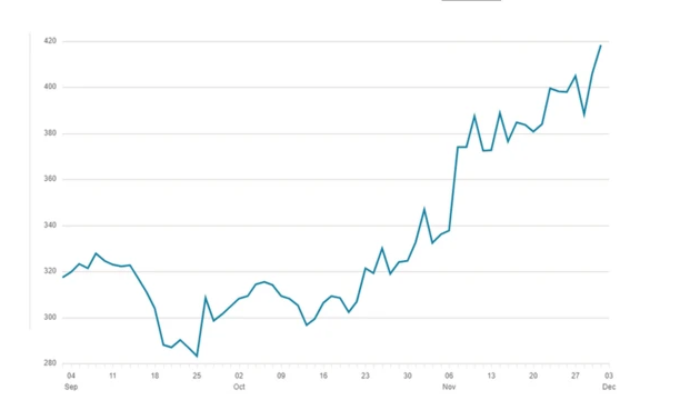

The HSBC shfare price has long been a focal point for investors seeking exposure to one of the world’s largest and most globally diversified banking institutions. Whether you’re a long-term investor, a short-term trader, or someone exploring the financial sector for the first time, understanding the movement of the HSBC share price is essential to making informed decisions. This article dives deep into the forces shaping the stock’s performance, offering a comprehensive overview designed to strengthen your investment knowledge.
With its presence across Europe, Asia, the Middle East, and the Americas, HSBC stands at the crossroads of global finance. Because of its international footprint, the HSBC share price is influenced by a blend of economic trends, geopolitical events, and sector-specific developments. In this guide, we break down the essential factors that move the stock, historical insights, market expectations, and what investors should watch for in the coming years.
Understanding the HSBC Share Price and Its Market Position
The HSBC share price reflects investor sentiment toward the bank’s financial health, global strategy, and long-term outlook. As one of the world’s most prominent banking groups, HSBC operates in over 60 countries, giving it exposure to both mature and emerging markets. This international diversity is often viewed as a strength, helping to balance the impact of regional market fluctuations. When economic pressure intensifies in one region, HSBC’s operations in other regions can counterbalance these effects, offering relative stability for long-term shareholders.
At the same time, HSBC’s broad exposure means that the share price can react more sharply to global economic news compared to banks with a more regional focus. Major macroeconomic factors—such as international interest rate changes, currency fluctuations, and global trade trends—play a significant role in shaping the stock’s day-to-day performance. Investors often monitor global economic indicators to gauge how potential changes could affect the bank’s diverse revenue streams.
Key Factors Influencing the HSBC Share Price
One of the biggest drivers of the HSBC share price is the global interest rate environment. As a bank, HSBC’s revenue is closely linked to net interest margin—the difference between interest earned on loans and interest paid on deposits. When central banks raise interest rates, banks often benefit from improved margins, leading to upward momentum in share prices. Conversely, periods of low or falling interest rates can place pressure on profitability, influencing investor sentiment.
Another major factor is HSBC’s strategic focus on Asia, particularly in fast-growing markets like Hong Kong and mainland China. Economic development in these regions has a significant impact on the company’s growth potential. Any slowdown in the Asian markets or geopolitical tensions can weigh heavily on the HSBC share price. Likewise, stronger-than-expected growth, favorable policy changes, or rising consumer demand in the region can boost confidence and potentially raise the stock’s valuation.
Historical Performance and Long-Term Growth Trends
The HSBC share price has gone through multiple phases of growth and correction over the past decades. Historically, the stock has shown resilience during times of global uncertainty, benefiting from its diversified business model and strong balance sheet. Long-term investors often view HSBC as a steady, blue-chip holding capable of delivering stable dividends and moderate appreciation over time.
However, the stock has also faced significant challenges, especially during periods of global financial stress. Events like the 2008 financial crisis, global trade disruptions, and economic slowdowns in Asia have all contributed to volatility in the share price. These historical fluctuations serve as reminders that even large and well-established banks can face periods of turbulence. Still, many investors consider the stock’s overall track record to be a testament to its long-term staying power.
HSBC’s Strategy and Its Impact on Share Price Movements
HSBC’s corporate strategy plays a crucial role in determining investor expectations and, consequently, the HSBC share price. In recent years, the bank has placed increased emphasis on streamlining operations, reducing costs, and focusing heavily on high-growth markets. This strategic focus aims to boost profitability and enhance efficiency, which can lead to stronger stock performance over time.
In addition, HSBC has made commitments toward digital transformation, investing in technology to improve customer experiences and operational capabilities. The banking industry is evolving rapidly, and institutions that adapt quickly are often rewarded by the markets. These investments signal to shareholders that the company is preparing for a future shaped by digital finance, automation, and improved data capabilities. When such initiatives demonstrate clear progress, investor confidence tends to rise, potentially supporting upward movement in the share price.
Future Outlook and What Investors Should Watch
Looking ahead, the future trajectory of the HSBC share price will depend on several key factors. Global economic recovery, interest rate trends, and ongoing business performance in core markets will be critical determinants. Investors should also pay close attention to regulatory developments, as international banks face complex compliance landscapes. Policies affecting capital requirements, liquidity, and cross-border operations can influence both short-term sentiment and long-term growth prospects.
Moreover, HSBC’s continued push into wealth management and sustainable finance is likely to shape its future performance. As more investors prioritize environmental, social, and governance (ESG) principles, companies with strong sustainability strategies may enjoy increased market support. If HSBC successfully captures growing demand in these segments while maintaining strong financial fundamentals, the share price could benefit over time. Staying informed and monitoring these indicators will help investors make well-rounded decisions.
Conclusion
The HSBC share price remains a key indicator of investor confidence in one of the world’s most globally influential banking institutions. Driven by a combination of international economic trends, company strategy, and market sentiment, the stock offers both opportunities and challenges for investors. By understanding the forces at play—from interest rates and geopolitical dynamics to digital transformation and long-term growth trends—investors can better position themselves for informed decisions. As HSBC continues to evolve, its share price will remain an important reflection of its stability, innovation, and global resilience.
Frequently Asked Questions (FAQs)
1. What influences the HSBC share price the most?
Interest rates, global economic conditions, and HSBC’s performance in key markets like Asia are major contributors to share price movements.
2. Is HSBC considered a stable long-term investment?
Many investors view HSBC as a stable, blue-chip stock due to its global presence and diversified operations, though it still experiences market volatility.
3. How does HSBC’s global reach affect its stock performance?
Its global presence helps balance regional risks, but also exposes it to worldwide economic and geopolitical changes.
4. Does HSBC pay dividends?
HSBC is known for offering dividends, though dividend levels may change based on earnings, regulatory requirements, and market conditions.
5. How does digital transformation impact the HSBC share price?
Investments in technology can improve efficiency and competitiveness, which may strengthen investor confidence and long-term valuation.
6. What role does Asia play in HSBC’s growth strategy?
Asia, especially Hong Kong and mainland China, is central to the bank’s long-term growth, significantly influencing future share price performance.
7. Why does the HSBC share price react to interest rate changes?
Interest rate shifts affect the bank’s net interest margin, directly impacting profitability and investor sentiment.
8. What risks should investors consider with HSBC?
Key risks include economic downturns, regulatory challenges, geopolitical tensions, and fluctuations in global financial markets.
9. How can investors analyze the HSBC share price effectively?
They can follow financial statements, global economic indicators, central bank policies, and the bank’s strategic updates.
10. What might drive future growth in the HSBC share price?
Strategic expansion in wealth management, digital innovation, and sustainable finance are all potential growth drivers.