
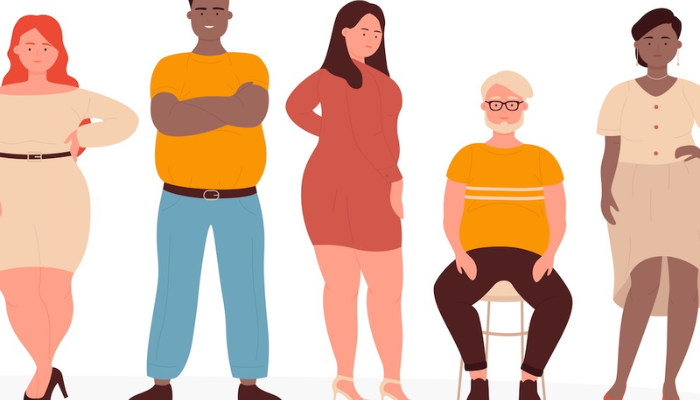

“Fat people jokes” remain one of the most discussed forms of humor in modern entertainment. While some people view them as harmless fun, others see them as hurtful, outdated, and rooted in unfair stereotypes. In today’s era of social awareness, conversations about comedy and body image are more important than ever. Understanding how humor affects people—and how it can be used responsibly—helps readers develop better comedic sensibilities and more compassionate communication.
As humor evolves, audiences increasingly question whether fat people jokes add value to comedy or simply perpetuate stigma. This article dives deep into the cultural role of such jokes, why they became common, the psychological impact they may have, and how society can embrace more inclusive humor without sacrificing entertainment or creativity.
The Cultural Origins of Fat People Jokes
Fat people jokes have existed for centuries, largely because comedy historically relied on exaggeration. In many traditional storytelling settings, physical traits—including size—were used to create memorable characters or exaggerate situations for laughs. However, these early portrayals were rarely shaped with empathy; instead, they emphasized contrast, shock, or absurdity to drive humor.
As humor moved to film, radio, and television, these portrayals became even more widespread. Classic comedies often included a “funny big character,” reinforcing the idea that weight alone could be a source of entertainment. Although these portrayals were celebrated at the time, society has since become more aware of how such depictions can shape harmful beliefs.
In modern culture, audiences and creators alike increasingly recognize the importance of portraying individuals authentically. Rather than relying on outdated tropes, contemporary comedy now explores situational humor, personal quirks, and storytelling depth, challenging the notion that physical appearance must be a comedic punchline.
Why Fat People Jokes Became So Common in Comedy
One reason fat people jokes became so common is that they offered an immediate, easy laugh without requiring elaborate setup or context. The simplicity made them appealing to writers and performers seeking quick audience reactions. For decades, physical humor—falling, bumping into objects, exaggerated movements—was central to comedic entertainment, and larger bodies were often targeted unfairly within that style.
Additionally, these jokes were frequently used to create contrast between characters. A “big character” next to a “small character” set up visual humor that writers exploited to exaggerate personality differences. While such dynamics may have felt harmless at the time, they contributed to shaping society’s biases and expectations around body types.
In today’s more socially aware environment, many comedians are rethinking their reliance on appearance-based humor. Audiences are increasingly drawn to comedy that is clever, observational, or story-driven, reducing the demand for jokes that punch down or reinforce negative stereotypes.
The Psychological and Social Impact of Weight-Based Humor
While some people may dismiss fat people jokes as harmless jest, research into humor and social identity suggests that repeated exposure can have measurable impact. Weight-based humor often reinforces stigma, encourages body shaming, and normalizes negative assumptions about larger individuals. These patterns can influence how people view themselves and how they are treated by others.
For individuals who have experienced bullying or discrimination due to their size, jokes targeting weight may trigger feelings of exclusion or embarrassment. This emotional impact highlights the need for comedy that uplifts rather than diminishes. When humor consistently portrays certain bodies as inherently funny, audiences may internalize the message that those bodies are lesser, ultimately affecting self-esteem and social confidence.
On a community level, weight-based humor can shape communication norms. When jokes about body size become socially acceptable, people may feel more comfortable making insensitive remarks in everyday conversation. This normalization contributes to environments where body shaming feels permissible—even though it can be deeply damaging.
Responsible Comedy: How Humor Can Evolve Without Losing Its Edge
Comedy doesn’t need to rely on stereotypes to be entertaining. In fact, some of the most acclaimed modern comedians succeed because they avoid predictable, outdated punchlines. Responsible comedy aims to be inclusive while still retaining wit, creativity, and boldness. Instead of focusing on physical traits, comedians increasingly turn to situational absurdity, cultural commentary, or personal storytelling.
One of the most effective ways to create responsible humor is to “punch up” rather than “punch down.” This means targeting systems, powerful figures, or universal human experiences instead of picking on individuals or groups who are vulnerable or marginalized. This shift makes humor sharper, more intelligent, and more relatable to broader audiences.
By moving away from fat people jokes and similar appearance-based humor, comedians also open new creative pathways. They can explore deeper themes, better character development, and clever wordplay. This enriches the overall comedic landscape and encourages more thoughtful, forward-thinking humor.
Building a More Inclusive Future for Comedy and Body Representation
The future of comedy is increasingly shaped by inclusivity, representation, and responsible artistry. Cultural critics, creators, and audiences alike now recognize that jokes targeting body size can perpetuate harmful stereotypes. Instead, there is a growing movement toward humor that celebrates diversity and encourages compassion.
Body-positive comedy is one such trend. Instead of reinforcing shame, it acknowledges people’s experiences, insecurities, and triumphs with empathy and relatability. This type of humor often resonates more deeply because it feels authentic rather than judgmental. It allows comedians and writers to connect with audiences on a human level, without relying on reductive stereotypes.
As more creators adopt these values, the entertainment industry becomes a healthier and more welcoming space. The evolution away from weight-based jokes is not about limiting creativity—it’s about inspiring more meaningful, clever, and impactful comedy that reflects society’s growing cultural awareness.
Conclusion
Fat people jokes have long been a fixture of humor, but modern audiences are increasingly aware of their potential impact. Today’s comedy landscape encourages creativity that elevates rather than diminishes. By understanding the origins of these jokes, their psychological effects, and the movement toward inclusive humor, we gain valuable insight into how entertainment can evolve responsibly.
Humor is a powerful cultural tool—one that can unify, inspire, and provoke thought. Choosing jokes that respect everyone enriches both comedy and community, paving the way for a more thoughtful, compassionate, and imaginative future for entertainment.
FAQs
- What are fat people jokes?
They are jokes that target individuals based on body size, typically using weight as the punchline. - Why are fat people jokes considered harmful?
They can reinforce negative stereotypes, encourage body shaming, and negatively affect self-esteem. - Are fat people jokes still common today?
They exist, but many modern comedians and audiences prefer more inclusive humor. - Can humor about body size ever be positive?
Yes—when it’s self-reflective, consensual, and avoids demeaning or stereotyping others. - What makes a joke “punching down”?
When humor targets groups with less social power or those who face discrimination. - How can comedians be funny without using stereotypes?
By focusing on storytelling, personal experiences, observational humor, and creative wordplay. - Do fat people jokes affect social behavior?
Yes—normalizing appearance-based humor can encourage everyday body shaming. - Is all physical comedy harmful?
Not necessarily; it depends on context, intent, and whether it targets a specific group unfairly. - What is body-positive humor?
A style of comedy that acknowledges body-related experiences without promoting shame or stereotypes. - Can society move beyond weight-based jokes?
Yes—through awareness, responsible comedy, and support for inclusive representation.