
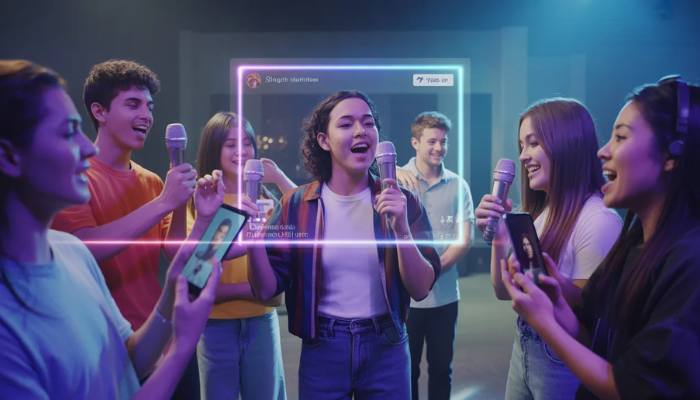

Fansqingers are rapidly emerging as a powerful force in the evolving landscape of digital culture. In a world where creativity, community, and content collide, fansqingers represent a new wave of passionate individuals who blend fandom with performance, expression, and digital influence. Whether you are a content creator, a brand strategist, or simply someone intrigued by online trends, understanding fansqingers can unlock fresh insights into modern engagement and identity.
The rise of fansqingers reflects a broader shift in how people connect with entertainment, art, and one another. They are not just passive consumers of content; they are active participants who remix, reinterpret, and amplify the voices they admire. This article dives deep into what fansqingers are, how they are shaping digital communities, and why their influence continues to grow in today’s fast-paced online environment.
What Are Fansqingers? Defining the Concept and Culture
Fansqingers are individuals who combine their passion for fandom with expressive performance, often through singing, creative reinterpretation, and digital storytelling. The term itself suggests a hybrid identity: part fan, part performer. Unlike traditional fans who primarily consume content, fansqingers actively contribute to the cultural conversation by creating music-inspired tributes, vocal covers, themed performances, and interactive content inspired by their favorite artists, shows, games, or fictional universes.
At the heart of the fansqingers movement is participation. Fansqingers do not merely admire from a distance; they immerse themselves in the creative worlds they love. They reinterpret songs, create parody versions, design character-inspired performances, and share these creations across social platforms. This dynamic participation transforms fandom into a living, breathing ecosystem fueled by creativity and shared passion.
The culture surrounding fansqingers is deeply collaborative. Community members encourage each other, offer feedback, and often collaborate on projects. In many cases, fansqingers form digital collectives or niche communities centered around specific genres, artists, or themes. This sense of belonging strengthens their creative output and reinforces the identity of fansqingers as both artists and community builders.
The Digital Platforms Powering the Fansqingers Movement
The rapid growth of fansqingers is inseparable from the expansion of digital platforms. Social media networks, short-form video apps, streaming services, and audio-sharing platforms provide the ideal environment for fansqingers to thrive. These platforms allow creators to publish performances instantly, reach global audiences, and receive real-time engagement through comments, likes, and shares.
Algorithm-driven discovery plays a significant role in the visibility of fansqingers. When a fansqinger uploads a compelling cover or performance, algorithms may push the content to wider audiences who share similar interests. This democratization of exposure means that a talented fansqinger can gain recognition without traditional industry backing. As a result, fansqingers often experience rapid growth when their content resonates with viewers.
Live streaming features further enhance the fansqingers phenomenon. Through live sessions, fansqingers interact directly with their audience, take song requests, and engage in spontaneous performances. This real-time interaction deepens fan loyalty and fosters authenticity. Audiences feel personally connected, which strengthens the overall fansqingers ecosystem.
Moreover, cross-platform presence has become a defining strategy for successful fansqingers. By maintaining profiles across multiple platforms, they diversify their audience base and increase discoverability. This multi-channel approach amplifies their creative reach and ensures that fansqingers remain visible in a crowded digital landscape.
The Creative Impact of Fansqingers on Modern Fandom
Fansqingers are reshaping modern fandom by blurring the lines between audience and creator. Traditionally, entertainment followed a one-way model: creators produced content, and audiences consumed it. Fansqingers disrupt this structure by transforming admiration into artistic output. Their performances become extensions of the original works, creating a cycle of inspiration and reinterpretation.
One of the most notable impacts of fansqingers is the normalization of user-generated content as a legitimate form of artistic contribution. When fansqingers produce high-quality covers or themed performances, they expand the cultural footprint of the original content. In some cases, their reinterpretations introduce songs or characters to entirely new audiences, effectively acting as grassroots promoters.
Fansqingers also influence trends within fandom communities. A creative mashup, vocal twist, or themed performance can spark viral challenges and inspire other fansqingers to create their own versions. This ripple effect fuels innovation and keeps fandom spaces dynamic and evolving.
Importantly, fansqingers empower individuals who may not have access to traditional performance spaces. Digital platforms eliminate geographical and institutional barriers, allowing talent to flourish regardless of location. This inclusivity strengthens diversity within fandom communities and ensures that fansqingers represent a wide range of voices and styles.
Building a Personal Brand as a Fansqinger
For many individuals, becoming a fansqinger evolves from a hobby into a personal brand. Establishing a recognizable identity is crucial in a competitive online space. Successful fansqingers often develop a distinct aesthetic, vocal style, or thematic niche that sets them apart. Consistency in visual presentation, tone, and content type helps audiences instantly recognize their work.
Authenticity is a cornerstone of a strong fansqingers brand. Audiences are drawn to genuine enthusiasm and emotional connection. When fansqingers clearly express their love for a particular artist or universe, that sincerity resonates deeply. Viewers are more likely to engage with content that feels heartfelt rather than overly commercial.
Strategic content planning also plays a role in growth. Fansqingers who schedule regular uploads, participate in trending challenges, and respond to audience feedback tend to build momentum more quickly. By analyzing engagement metrics, they can refine their approach and tailor their performances to audience preferences.
Monetization opportunities are expanding as well. Some fansqingers leverage brand partnerships, subscription models, and exclusive content offerings. While financial success is not the primary goal for every fansqinger, the ability to turn passion into income demonstrates the economic potential of this creative niche.
The Future of Fansqingers in a Rapidly Changing Digital World
The future of fansqingers looks promising as digital tools continue to evolve. Advances in audio editing software, artificial intelligence, and immersive technologies are expanding creative possibilities. Fansqingers can experiment with layered harmonies, virtual stage effects, and interactive performances that were once impossible without professional studios.
Virtual and augmented reality may further revolutionize the fansqingers experience. Imagine attending a virtual concert hosted by a fansqinger who performs within a digital recreation of a beloved fictional world. Such innovations could transform how audiences engage with fandom-based performances.
As intellectual property discussions grow more complex, fansqingers will also need to navigate copyright considerations carefully. Clear guidelines and responsible content creation practices will ensure that fansqingers continue to thrive while respecting original creators.
Ultimately, fansqingers embody the spirit of participatory culture. They highlight how modern audiences crave interaction, creativity, and community. As technology continues to blur boundaries between creator and consumer, fansqingers are likely to become even more influential in shaping the entertainment ecosystem.
Conclusion
Fansqingers represent a powerful fusion of fandom and creative expression. They transform admiration into performance, community into collaboration, and digital platforms into stages. Through innovation, authenticity, and passion, fansqingers are redefining what it means to be a fan in the modern age.
As the digital landscape evolves, fansqingers will continue to shape trends, build communities, and inspire new generations of creators. Whether you aspire to become a fansqinger or simply appreciate the creativity they bring to fandom spaces, one thing is clear: fansqingers are not just participants in culture—they are active architects of its future.
Frequently Asked Questions (FAQs)
1. What does the term fansqingers mean?
Fansqingers refers to individuals who combine fandom with expressive performance, often through singing, reinterpretation, and digital creativity.
2. How are fansqingers different from traditional fans?
Unlike traditional fans who mainly consume content, fansqingers actively create and share performances inspired by the content they love.
3. Do fansqingers need professional training?
No, many fansqingers start as hobbyists. Passion, consistency, and creativity are often more important than formal training.
4. Which platforms are best for fansqingers?
Short-form video apps, streaming platforms, and social media networks are popular spaces for fansqingers to share their content.
5. Can fansqingers make money from their content?
Yes, some fansqingers monetize through brand partnerships, subscriptions, and sponsored content, though not all pursue financial gain.
6. Is copyright an issue for fansqingers?
It can be. Fansqingers should understand platform guidelines and copyright rules when using copyrighted music or material.
7. How can someone become a successful fansqinger?
Consistency, authenticity, community engagement, and a unique creative angle are key to building a successful fansqingers presence.
8. Are fansqingers limited to music-based fandoms?
No, fansqingers can draw inspiration from movies, games, books, and other forms of entertainment.
9. What skills are important for fansqingers?
Performance skills, creativity, digital editing knowledge, and audience interaction are highly beneficial.
10. What is the future outlook for fansqingers?
With evolving technology and growing participatory culture, fansqingers are expected to become even more influential in digital communities.