
Search interest around the phrase “elizabeth rizzini disability” has noticeably increased, prompting many people to wonder whether the well-known BBC weather presenter lives with a medical condition or disability. The curiosity surrounding her health reflects a broader online trend where public figures frequently become the subject of speculation — sometimes without any confirmed information. In this article, we explore where this conversation originated, what is actually known, and why discussions about disabilities in media representation hold significance today.
Elizabeth Rizzini is recognized for her articulate weather broadcasts, engaging presence, and professional journalism career. However, as with many public figures, rumors and assumptions can spread quickly. This article aims to provide clarity, encourage respectful understanding, and help readers separate verified facts from speculation, all while discussing the important cultural context of visibility and disability awareness in the media.
Who is Elizabeth Rizzini? A Background Overview
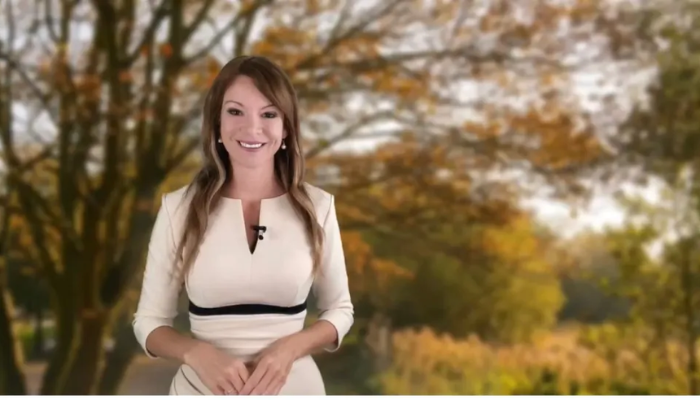
Elizabeth Rizzini Disability is a familiar face to viewers of BBC London Weather, where she delivers regular meteorological updates. She joined the BBC after transitioning from a career that included work in meteorology training and broadcast communication. Her calm delivery and easy-to-understand weather reports make her a respected professional in the field.
Before entering media, Rizzini developed a strong foundation in atmospheric science and weather analysis. This scientific background not only enhances her credibility but also adds depth to her on-air presentations. Her career path is a reflection of her dedication to both science and clear communication — key skills for any weather broadcaster who needs to explain complex climate systems to the public in an accessible way.
Rizzini also gained media attention due to her personal life, especially around her relationship with BBC journalist Frank Gardner. While this brought her additional visibility, it also led to increased online searches and discussions about her personal circumstances. Importantly, however, media attention does not equal public ownership of private details, particularly regarding health.
The Origin of the “Elizabeth Rizzini Disability” Question
The question, “Does Elizabeth Rizzini Disability have a disability?” primarily stems from social media speculation and public curiosity—rather than any confirmed statement or medical disclosure from Rizzini herself. In the digital age, viewers often make assumptions based on appearance, physical movement, or association with others. Sometimes, these assumptions spiral into rumor.
A key factor contributing to the speculation is her association with Frank Gardner, the BBC Security Correspondent who uses a wheelchair due to injuries from a 2004 incident. Some people misinterpret their relationship and mistakenly assume Rizzini shares similar physical limitations. However, there is no verified information indicating that Elizabeth Rizzini has any form of disability.
It is essential to note that Rizzini herself has never publicly stated that she has a disability, nor has the BBC released any information to suggest otherwise. Public speculation alone does not constitute fact. This highlights how easily personal narratives can be shaped by assumptions rather than evidence.
Media Attention, Privacy, and Public Curiosity
Public figures often become subjects of scrutiny simply because they are visible. When someone appears regularly on television, audiences may feel a sense of familiarity or even ownership over their story. However, privacy remains a fundamental right, regardless of career or public reach.
Discussions about disability are especially sensitive. Health information is deeply personal, and individuals have no obligation to disclose medical conditions unless they choose to. The fascination with potential disabilities often reveals more about public attitudes toward health and physical difference than it does about the person being discussed.
The curiosity around whether Rizzini has a disability also reveals a cultural shift toward increased awareness of disability representation in the media. People want to see meaningful visibility and inclusion. The downside, however, is that curiosity can sometimes turn into intrusive speculation. Understanding the boundary between awareness and assumption is key to respectful conversation.
Disability Representation in Broadcasting and Why It Matters
Whether or not Elizabeth Rizzini Disability lives with a disability, the conversation raises a valuable point: representation matters. Historically, disability has been underrepresented or misrepresented in the media. Increasing visibility allows viewers to see diversity reflected in everyday professional spaces, from news anchors to scientists and creative professionals.
Disability representation helps broaden public understanding of what it means to live and work with various conditions. It challenges stereotypes that suggest limitations where none may exist. Even though Rizzini herself has not disclosed a disability, the increased discussion highlights how audiences are becoming more conscious of inclusive representation.
The conversation also encourages broadcasters and media organizations to evaluate their hiring practices, accessibility environments, and portrayals of on-screen talent. The more normalized representation becomes, the less speculation or surprise occurs when someone with a disability holds a highly visible position. Ultimately, this contributes to a more empathetic and informed society.
Why Respectful Dialogue About Health Matters
Speculating about someone’s health without evidence can unintentionally perpetuate stigma. If people assume disability is something to be explained, hidden, or defended, it reinforces harmful perceptions. Instead, discussions should focus on respecting personal boundaries while supporting inclusive cultural shifts.
Respectful dialogue means acknowledging that not everything about a public figure’s life is public information. It also means recognizing that disability — visible or invisible — is not something unusual or defining. People are multifaceted, and no single characteristic defines one’s identity or accomplishments.
By approaching the topic with empathy, clarity, and factual information, audiences can support both disability awareness and personal privacy. The goal is not to satisfy curiosity, but to understand the broader significance of inclusive media and respectful communication.
Conclusion
There is no confirmed evidence that Elizabeth Rizzini Disability has a disability, and discussions surrounding the topic appear to stem from public curiosity rather than verified information. However, the interest in this question reveals a growing awareness of disability representation in media and the importance of visibility across professional fields. While Rizzini continues her respected work as a BBC weather presenter, the conversation offers an opportunity to reflect on how we treat health-related speculation and the need for privacy and respect.
FAQs
- Does Elizabeth Rizzini have a disability?
No, there is no verified information or public statement confirming that she has a disability. - Why are people searching for “Elizabeth Rizzini disability”?
Curiosity, media discussion, and misinformation online have contributed to increased searches. - Is Elizabeth Rizzini associated with disability advocacy?
There is no public record of her having a specific advocacy role in disability issues. - Is her partner, Frank Gardner, a factor in the speculation?
Yes, some assume incorrectly due to Gardner’s disability and their relationship. - Has the BBC ever commented on her health?
No, the BBC has made no public statements regarding her health or disability status. - Is it appropriate to speculate about a public figure’s health?
No, health information is personal, and speculation can be insensitive or misleading. - What does Elizabeth Rizzini do at the BBC?
She works as a weather presenter for BBC London. - How did Elizabeth Rizzini start her career?
She transitioned into broadcasting after working in meteorology-related fields. - Does visibility in media affect disability representation?
Yes, representation in media can influence public perceptions and normalize inclusion. - Why is disability representation important in broadcasting?
It promotes diversity, challenges stereotypes, and reflects real-world experiences.